
Olchon Court Farm and Penygelli, Olchon Valley, Herefordshire
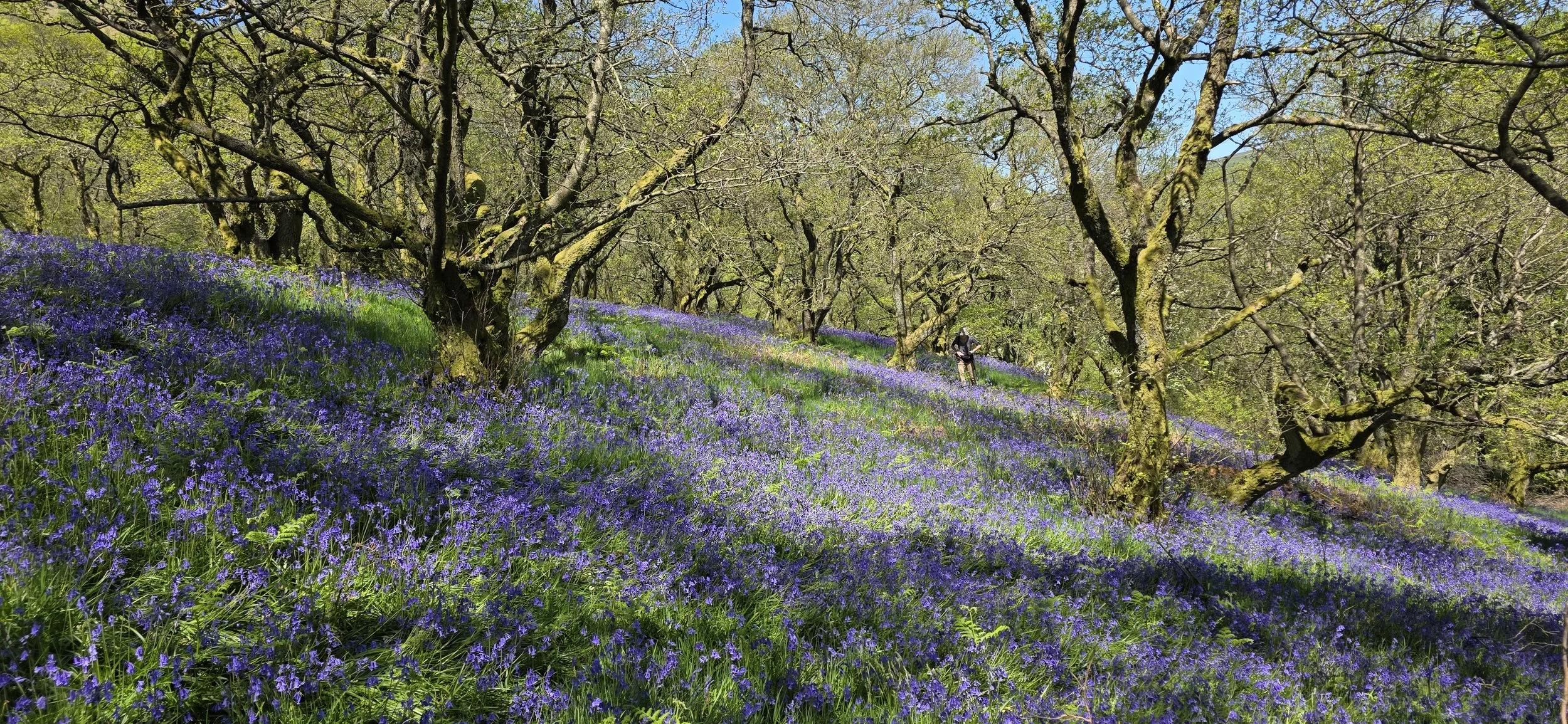
One typical long-established habitat on the steep slopes of the Olchon Valley is upland tree-pasture with mainly old coppiced Alder and other native trees. After taking over the Penygelli holding in 2019, we reintroduced tree pasture into areas near the mountain boundary that had been cleared of their trees many years ago.
Most of our wood pasture trees are planted into thick bracken areas, the least diverse parts of the fields; this should help shade-out the bracken eventually. Rush pasture at Penygelli is lightly grazed by cattle and sheep late in the year. We’ve fenced off generous broad field-margin strips and planted trees and scrub in those.
70 acres of upland acid grassland and woodland in the Olchon Valley
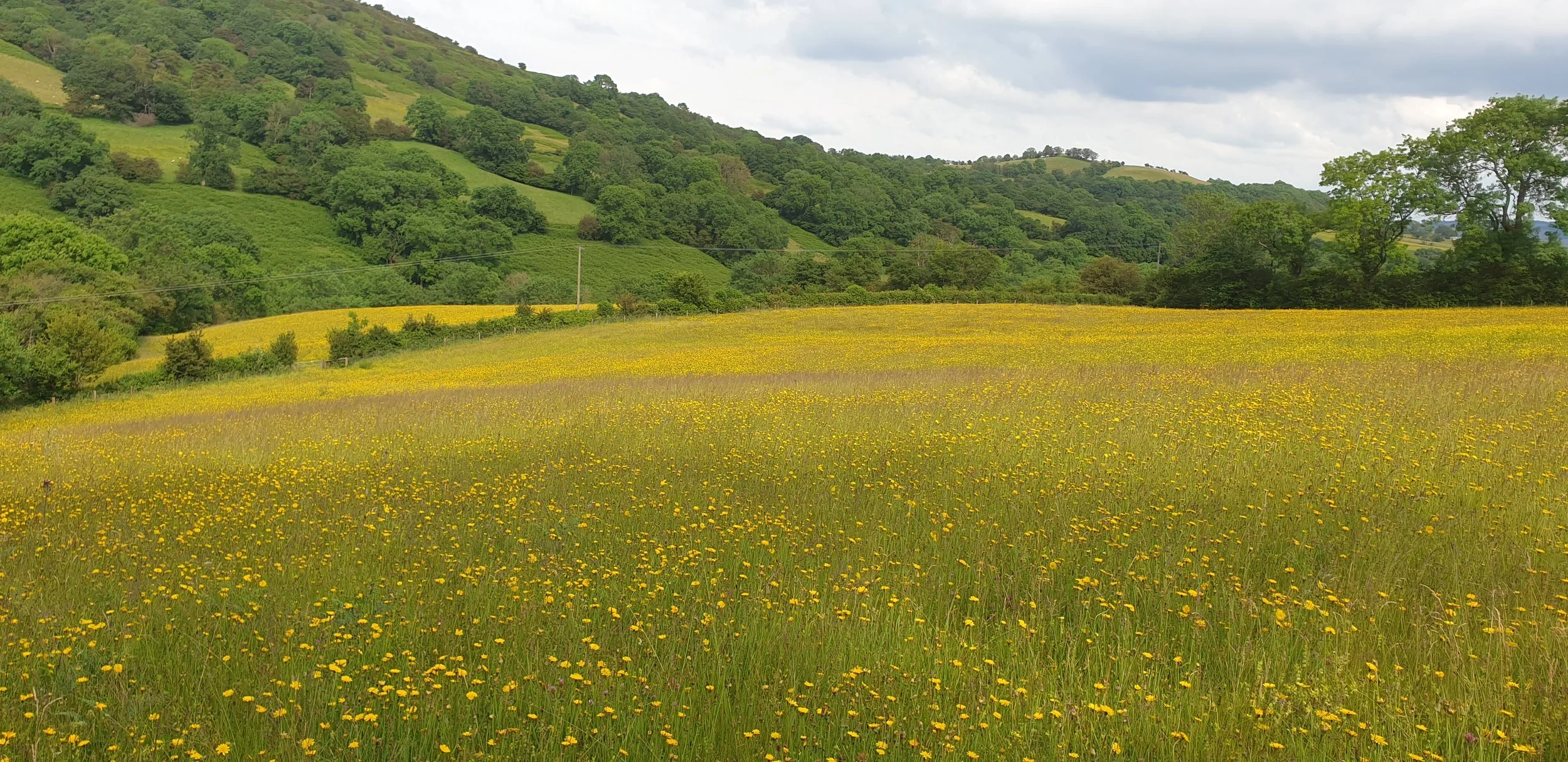
In the early years we scattered hay rattle and seed from a nature reserve onto some meadows to enhance progress. We inherited one established area of Common and Heath spotted orchids and they grow now in profusion across many fields, along with many flowering plants that indicate diversity suited to the area and good soil health.
Wooded dingles with streams and a riparian area along the Olchon Brook are fenced off, managed through coppicing, tree planting and caring for the watercourse banks.
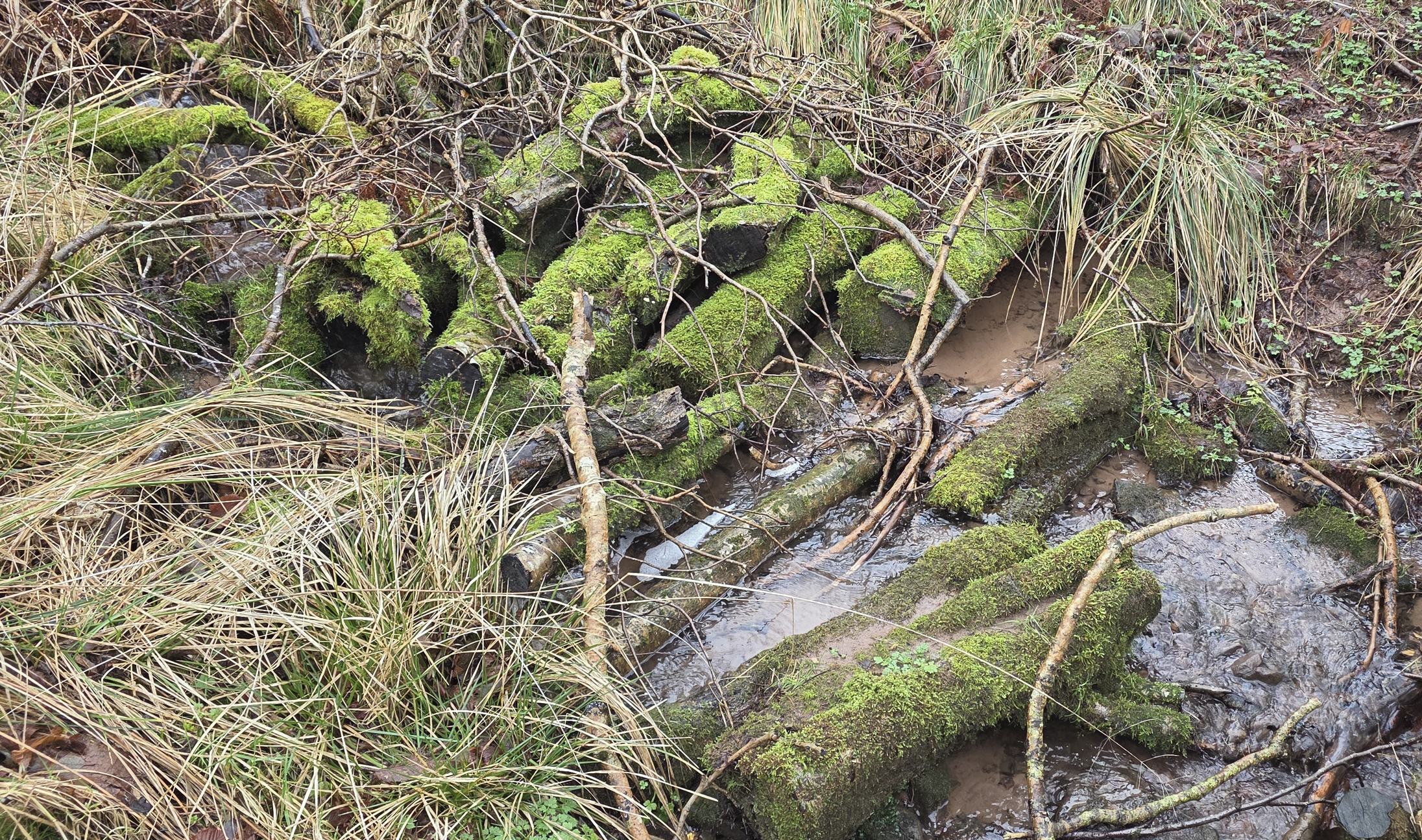
We experiment with flood-reduction measures such as placing logs and brash in dingle streams to slow their flow.
We keep our hedgerows thick and tall by occasional hedge-laying, light trimming and fencing a wide hedgerow margin to encourage a broad hedgerow habitat.
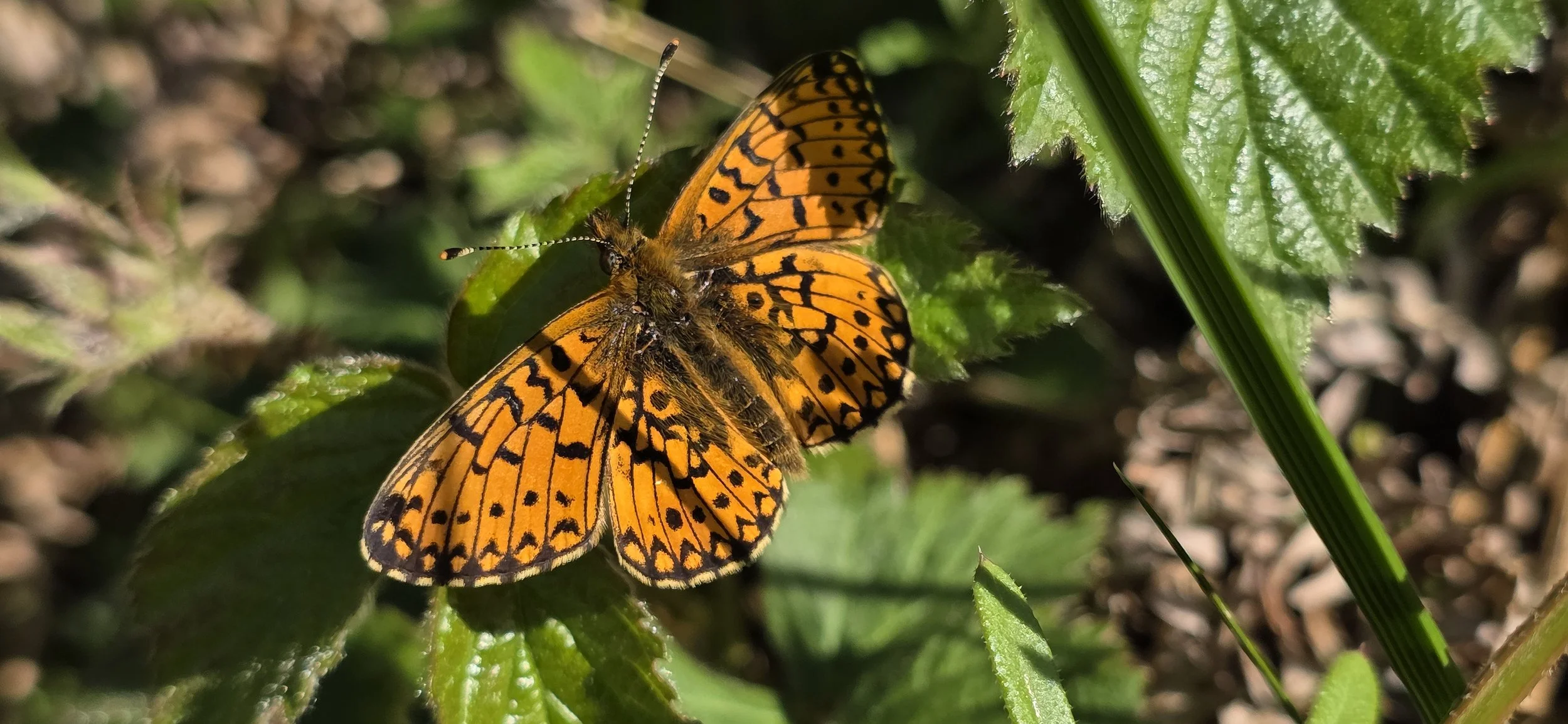
Over 17 years there’s been a noticeable increase in biodiversity of all kinds. Examples of our most treasured additions are Small pearl-bordered fritillary butterflies, Golden ringed dragonflies, Welsh Pocket-moss, and Grasshopper warbler (all these are rare in Herefordshire). Some other notable species are Dark green fritillary butterfly, Southern marsh orchid, Devil’s Bit scabious, Goat’s Beard, Beautiful Demoiselle, Polecat and Otter and a thriving population of Pied flycatchers - not forgetting to mention all 4 British species of water beetles that swim backwards – though why they do this we have yet to discover! We’ve learned the importance of monitoring and record-keeping and, crucially, reporting sightings to the relevant biological record centre.
We are always experimenting and our land is now a designated Local Wildlife Site.
We have approximately 70 upland acres (over 300 metres) of acid grassland and woodland in the Olchon Valley, the most easterly valley of the Black Mountains.
Our aim is to maximise biodiversity, improve soil health and increase carbon capture with a mosaic of habitats suited to the local landscape. Each part of the holding has its own character and potential, and is managed accordingly, with a light touch and some intervention to encourage the journey towards those broad aims.
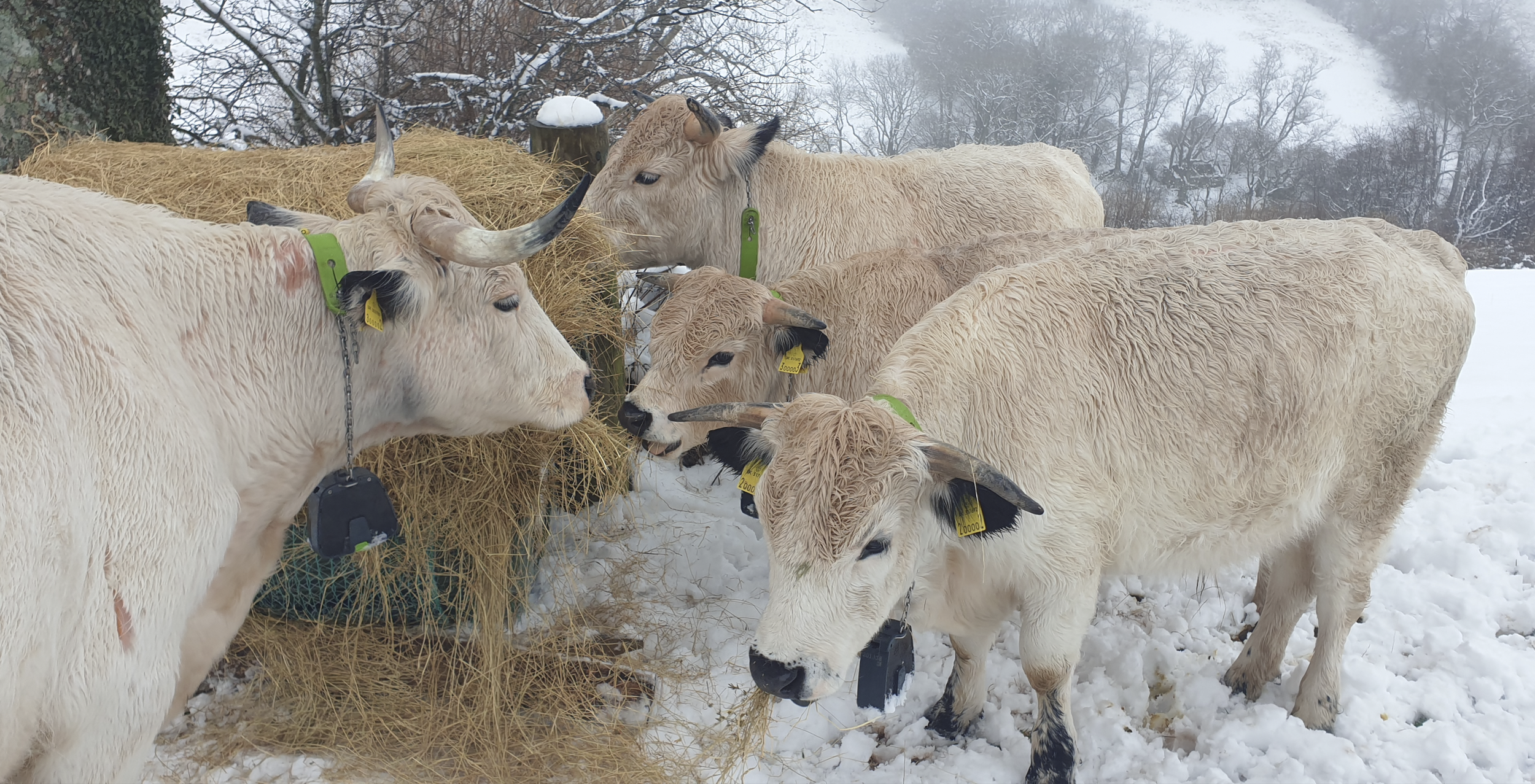
When we took on Olchon Court land (40 acres) in 2009 it was mainly heavily sheep grazed. By having a light grazing regime (some sheep and a handful of cattle) after meadow seed has set or with some intermittent hay cutting and after-math grazing as appropriate, the meadow diversity of flora, grasses and insects has increased considerably.
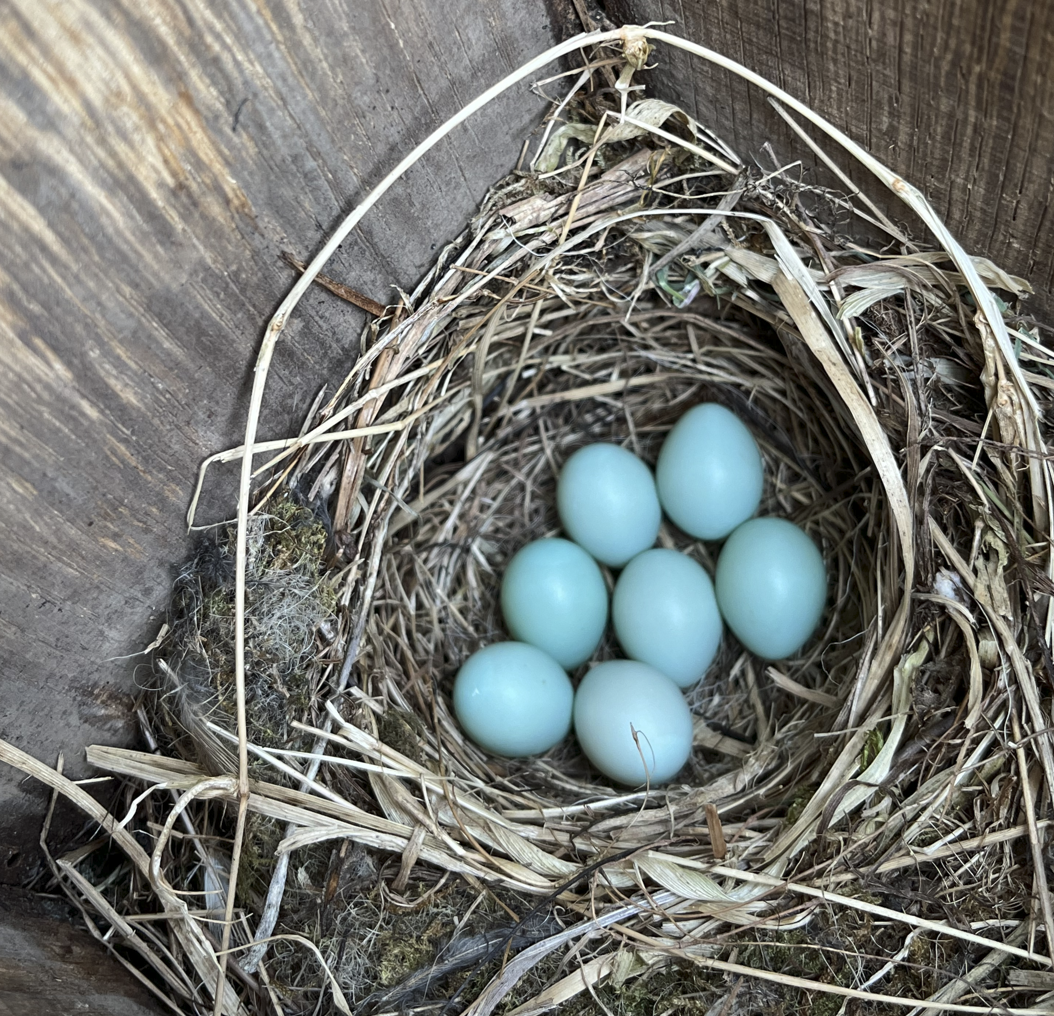
Pied Flycatcher nest
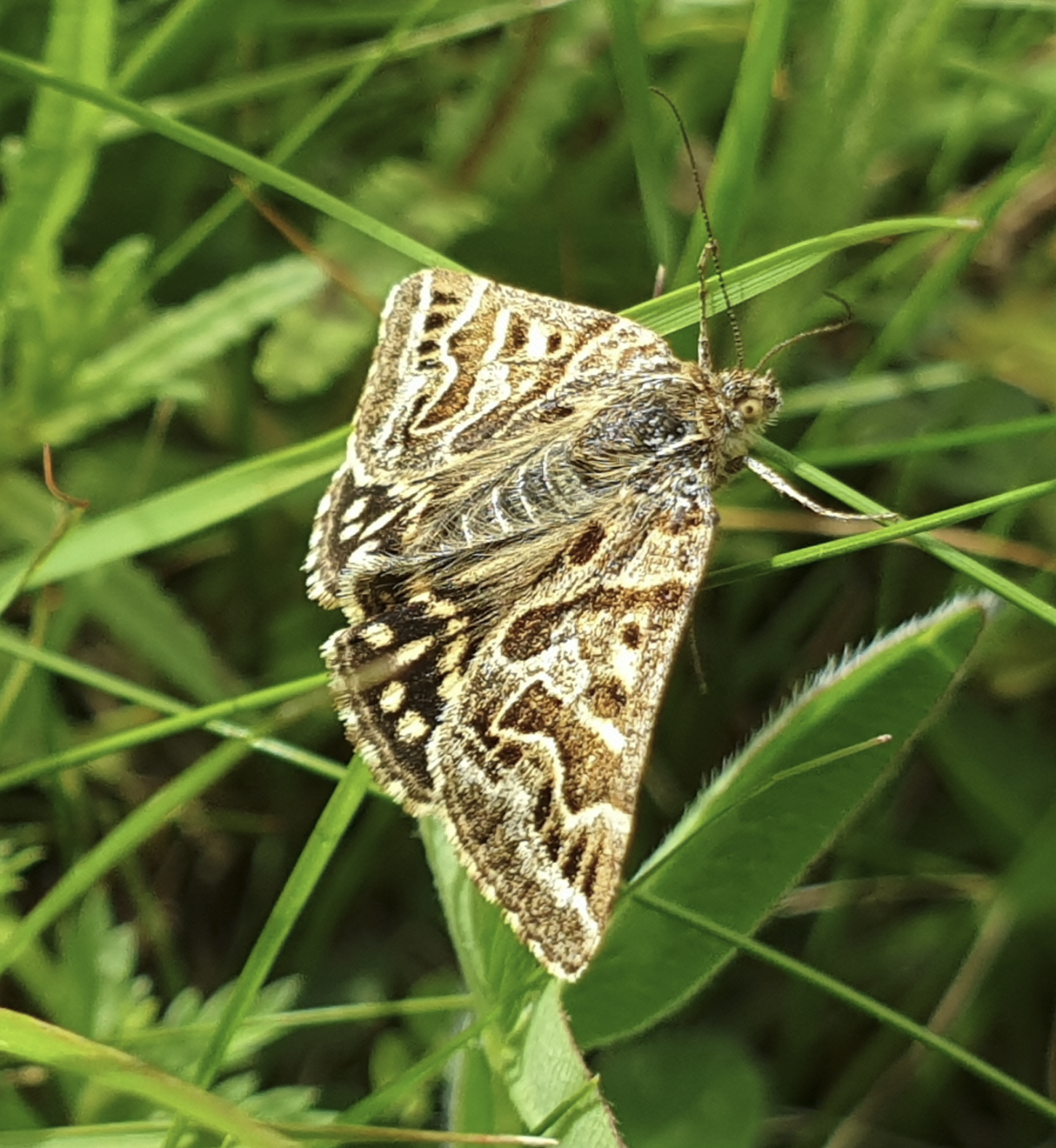
Mother shipton moth
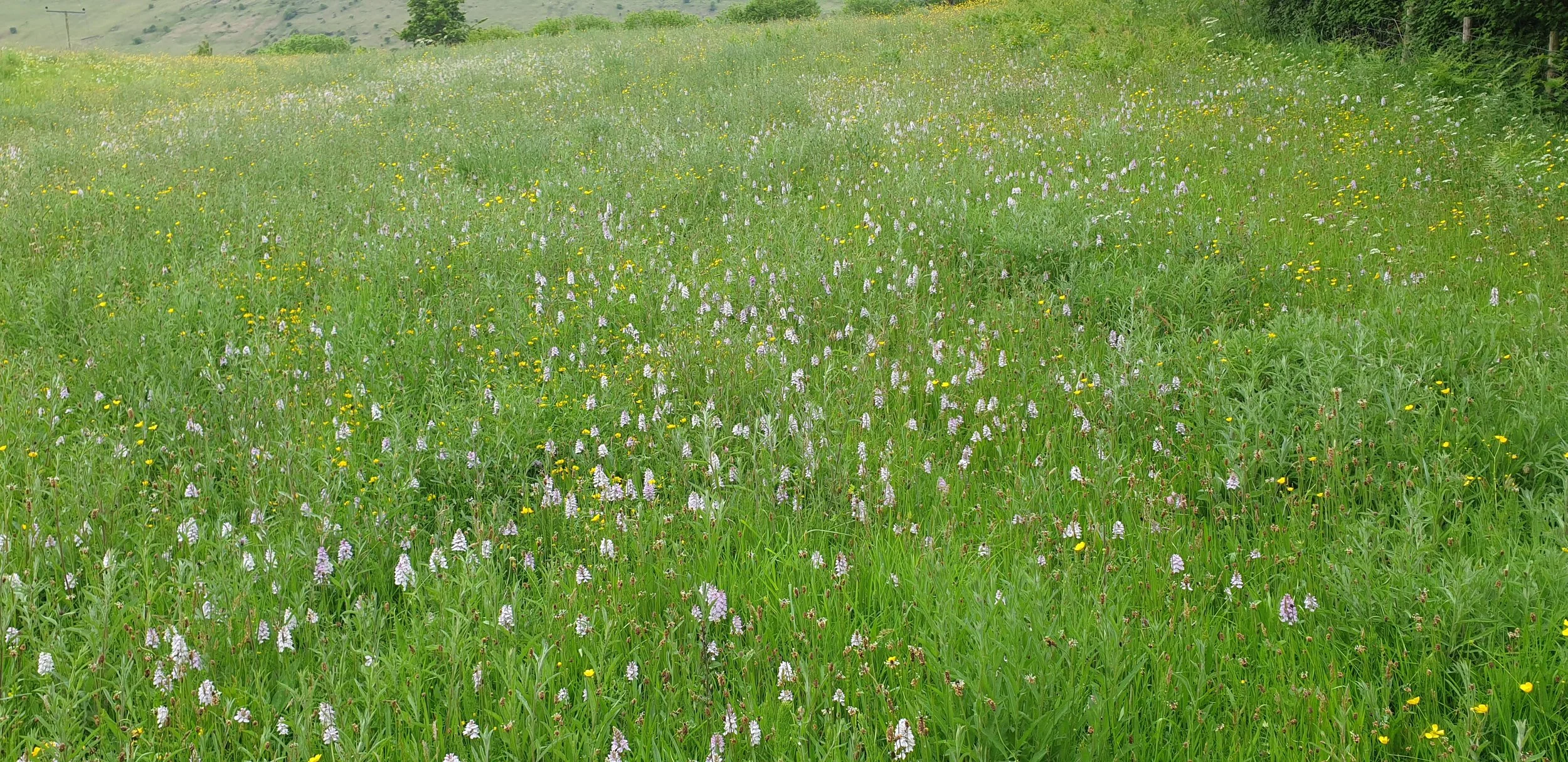
Heath & Common spotted orchids
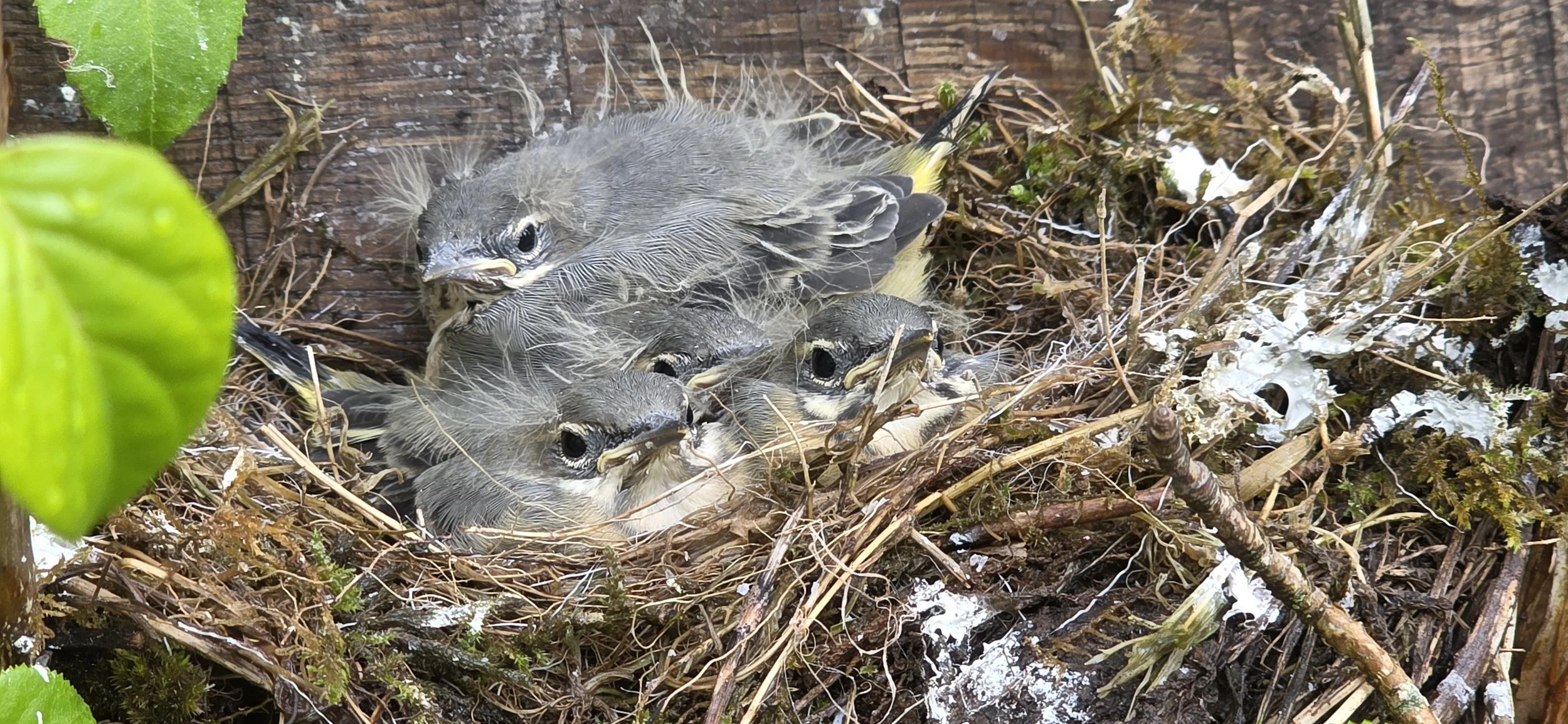
Grey wagtail chicks
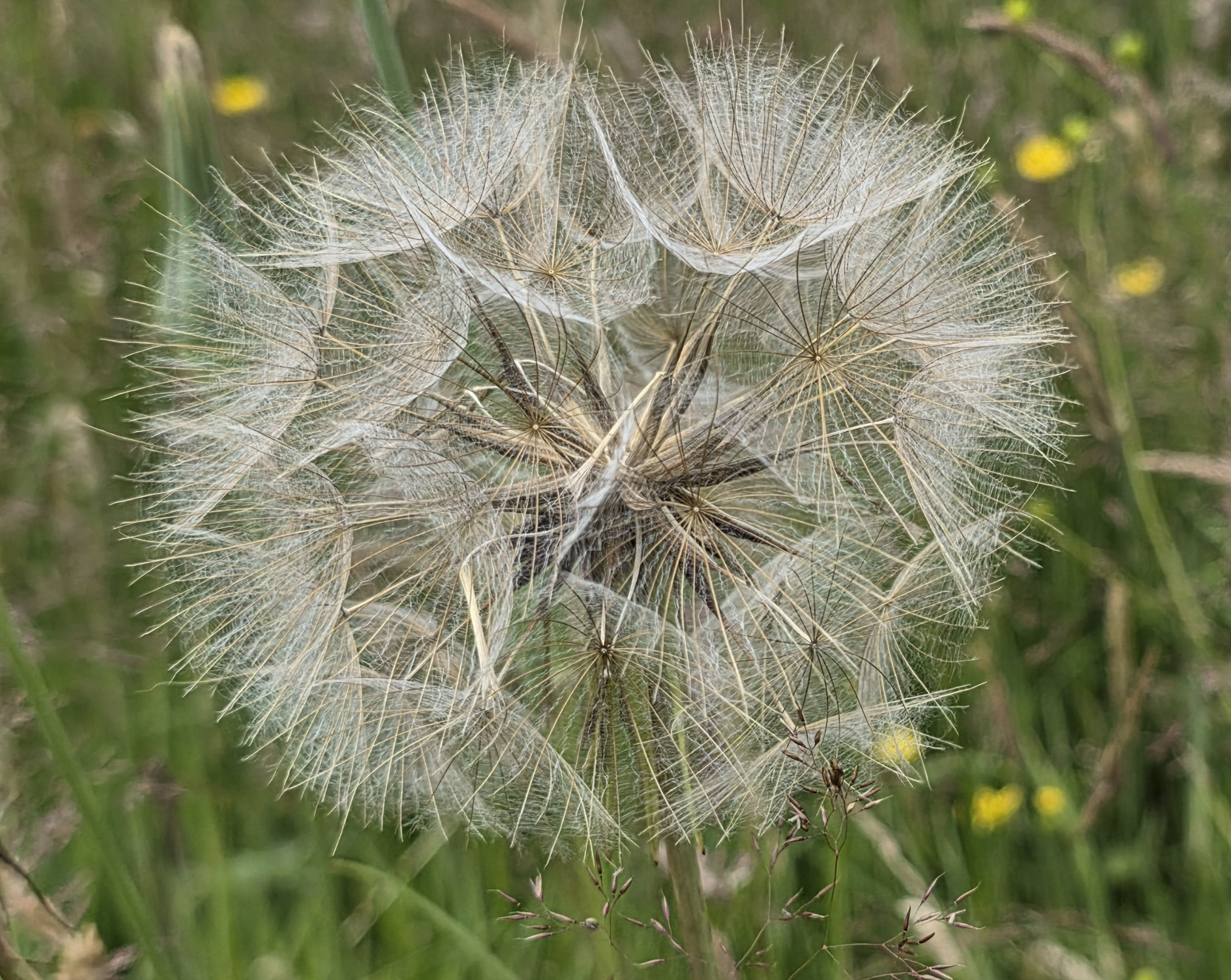
Goat's beard seedhead
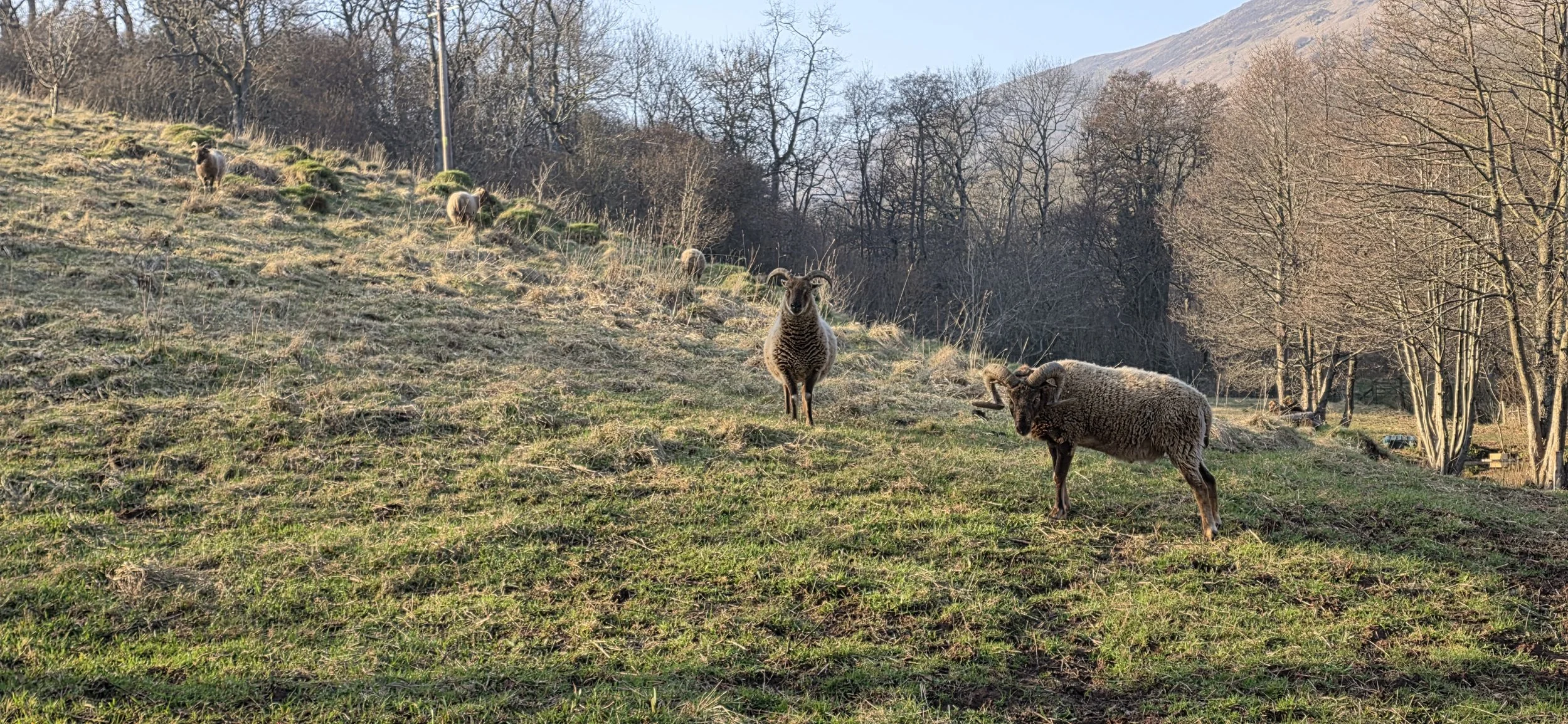
Castle Milk Moorit sheep
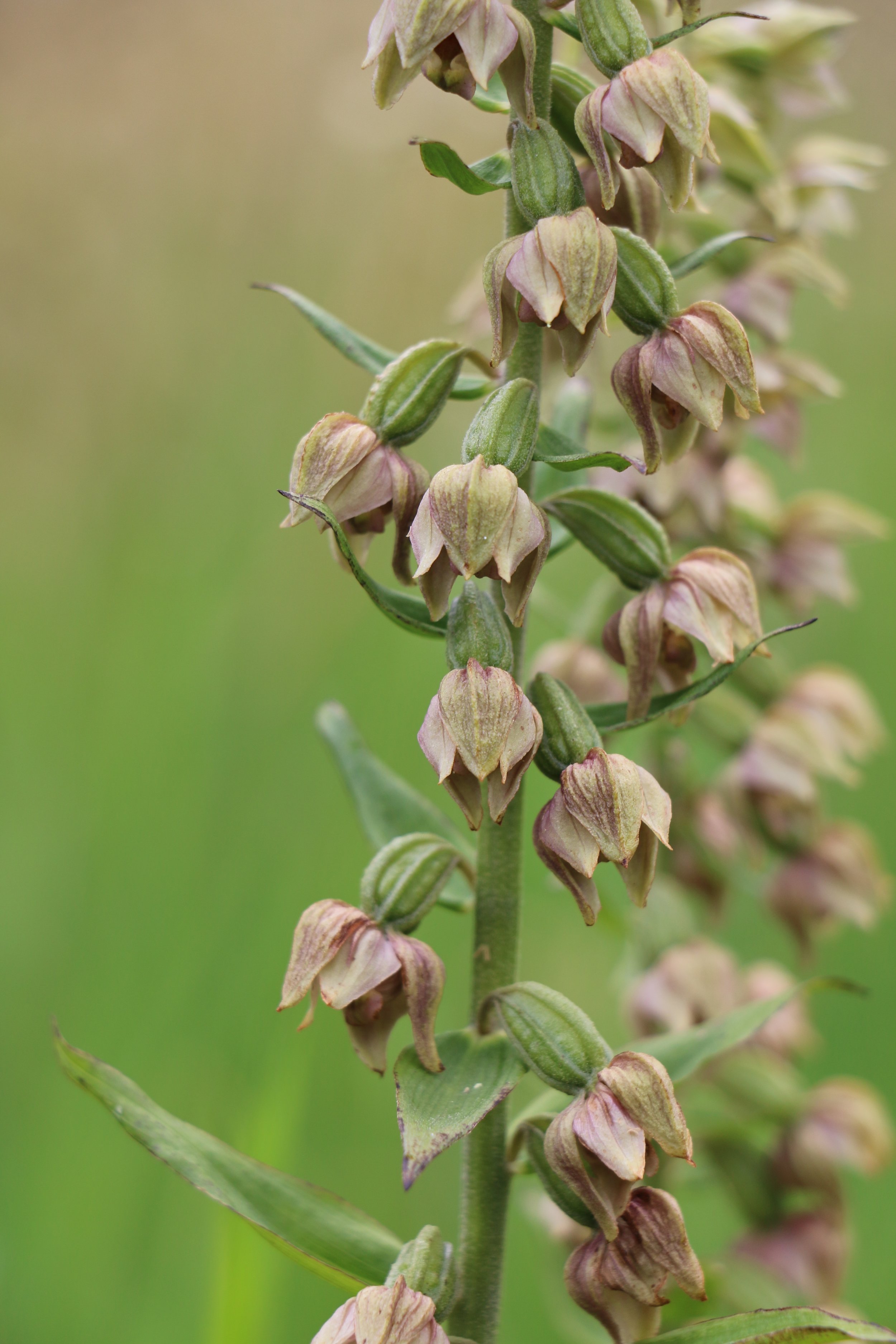
Broad-leaved helleborine
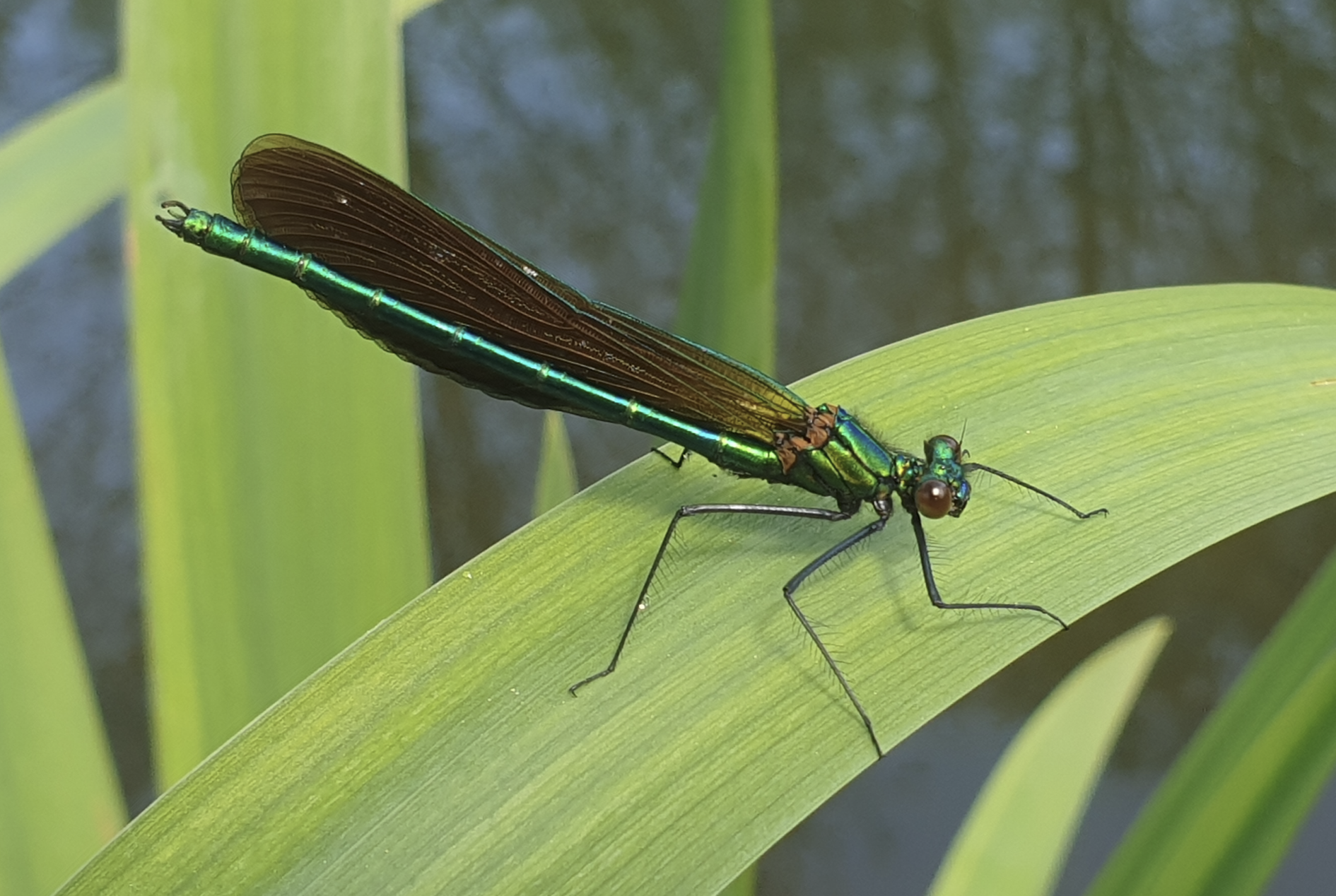
Beautiful demoiselle
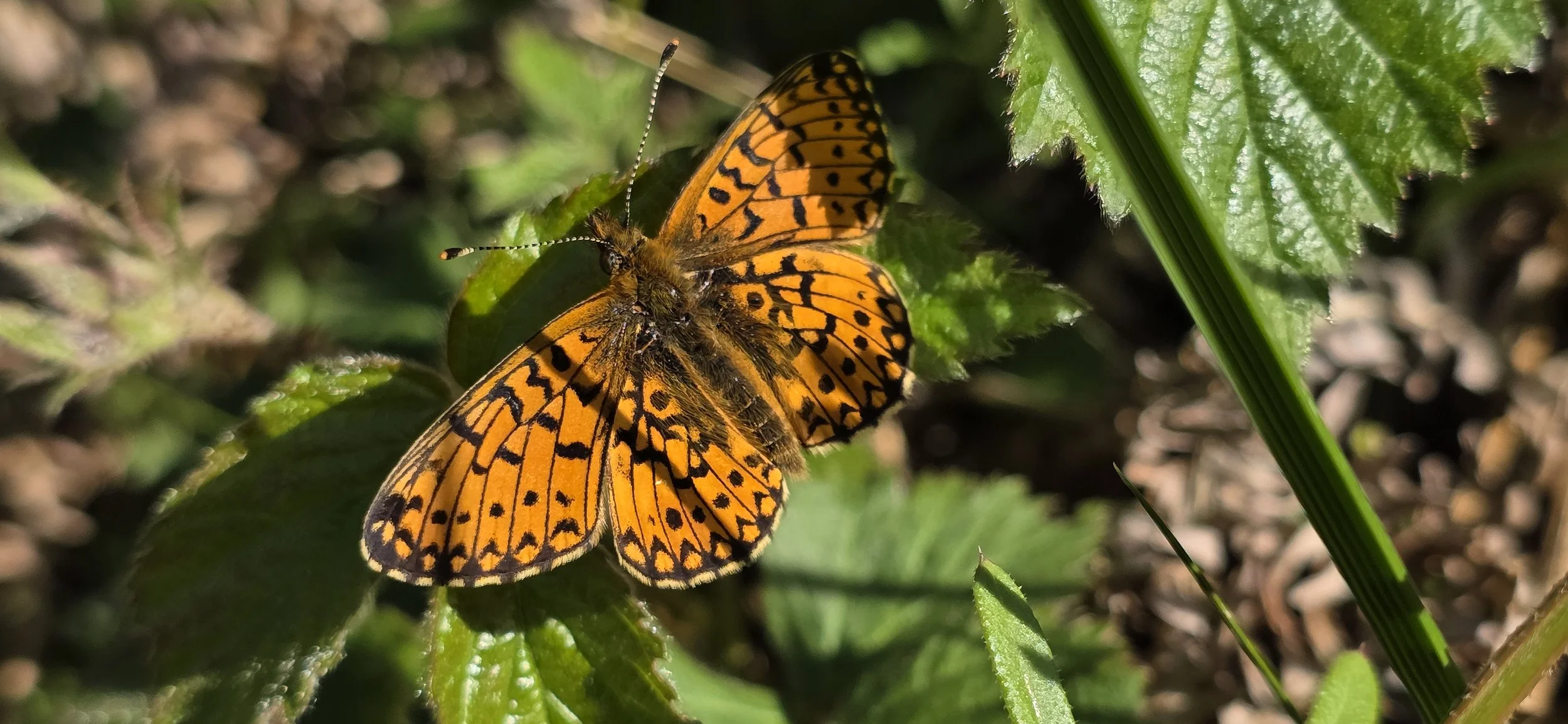
Small pearl-bordered fritillary