
What is Wilding?
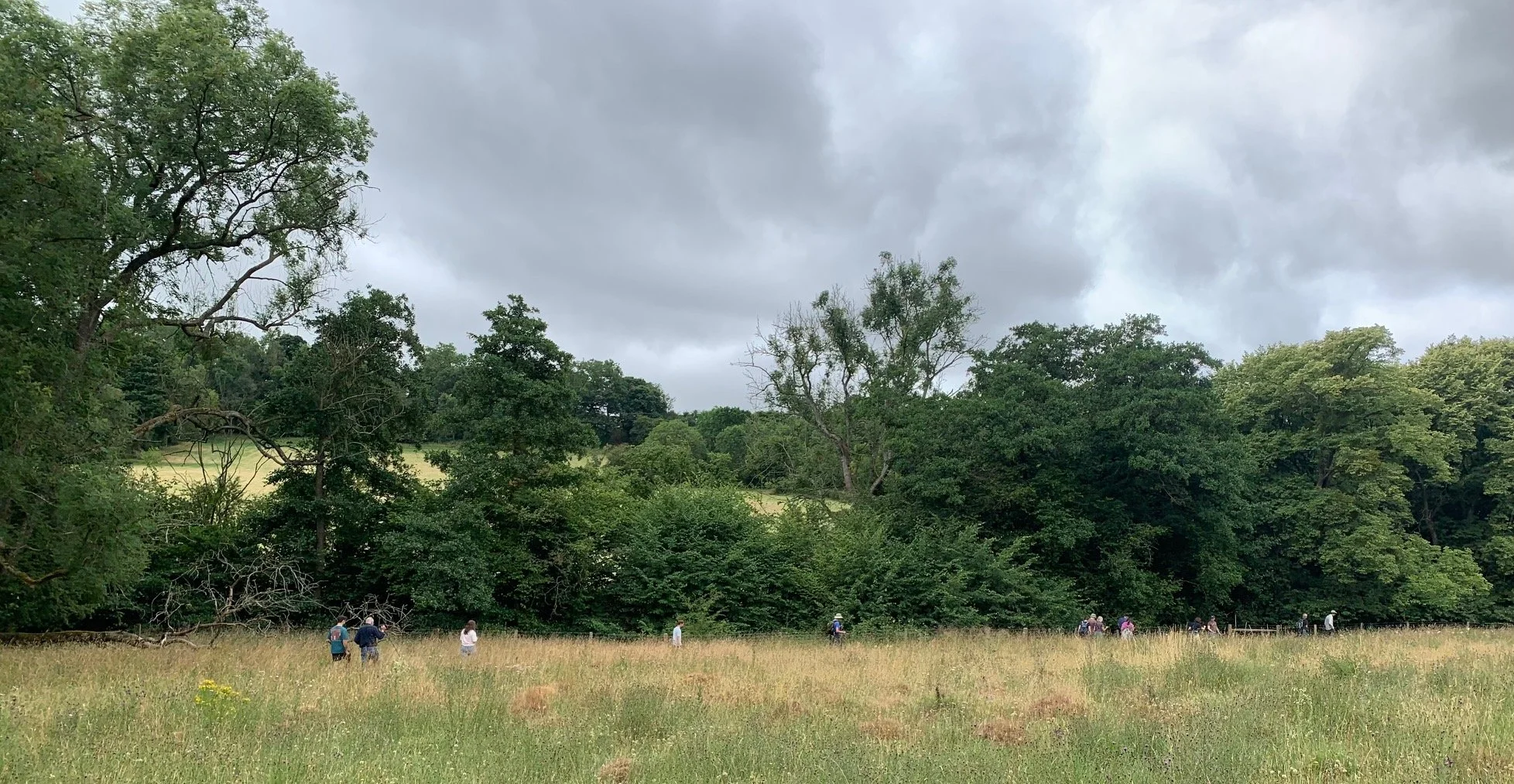
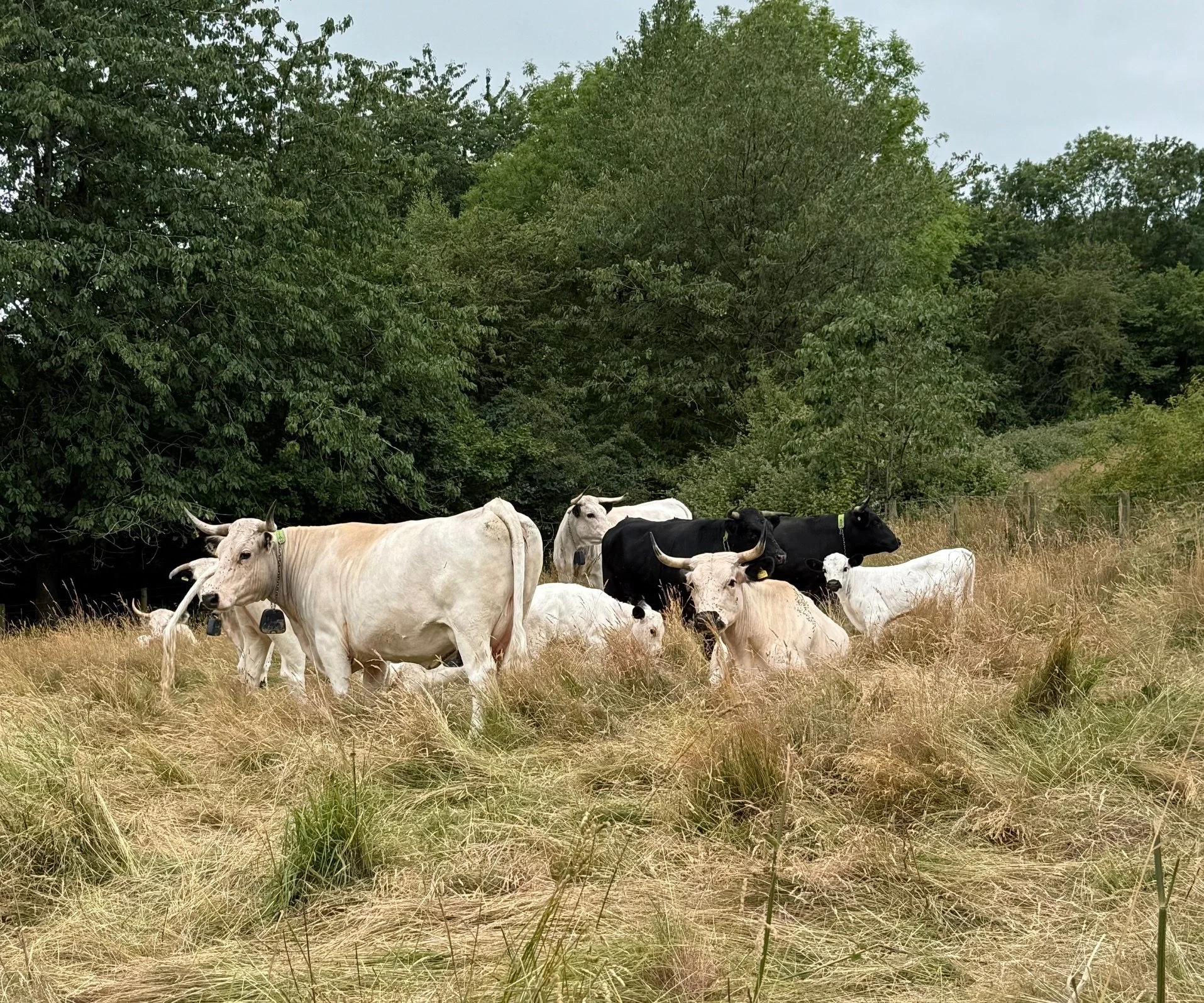
Rewilding is used in many contexts, so what does Wye Valley Wilding mean by “wilding” and how is it different to traditional conservation?
Traditional conservation is essential. It focuses on the creation and maintenance of particular habitats for particular species, such as hay meadows and wildflowers or coppiced woodlands and Pied flycatchers. Without traditional conservation management many of these habitats would disappear and so would the species that depend on them. Traditionally managed wildlife sites are vital, but species living there must be able to spread out into the landscape beyond the nature reserve. Sadly, there are too few wildlife sites, they are too small and they aren’t well connected, so many species are continuing to decline. That’s where “wilding” comes in.
Wilding is a complementary form of conservation, which has less intensive management requirements and therefore suits landowners and farmers who love nature but don’t have the resources or time to intensively manage particular habitats.
Wilding is an approach to nature restoration, which is human-enabled but nature led. It aims to re-establish natural processes and let these processes shape the land. After all, most forms of conservation management replicate natural processes which took place in our historically wilder landscapes. Hay meadow management replicates the grazing impact of large herds of migratory herbivores moving across landscapes. Coppicing woodland replicates the impact of large herbivores such as bison in woodlands, helping maintain a diverse age structure and creating habitat for species which nest in thickets.
It’s helpful to think of wilding as a spectrum, with the reintroduction of apex predators and creation of huge connected sites being “top level wilding”. This is much easier in big countries like the United States, which still have apex predators. In the UK, “medium level wilding” is more realistic. Here “wilded” land parcels are much smaller, they don’t have a full suite of herbivores and carnivores, so wilding includes elements of human management and species reintroduction or use of proxy species.
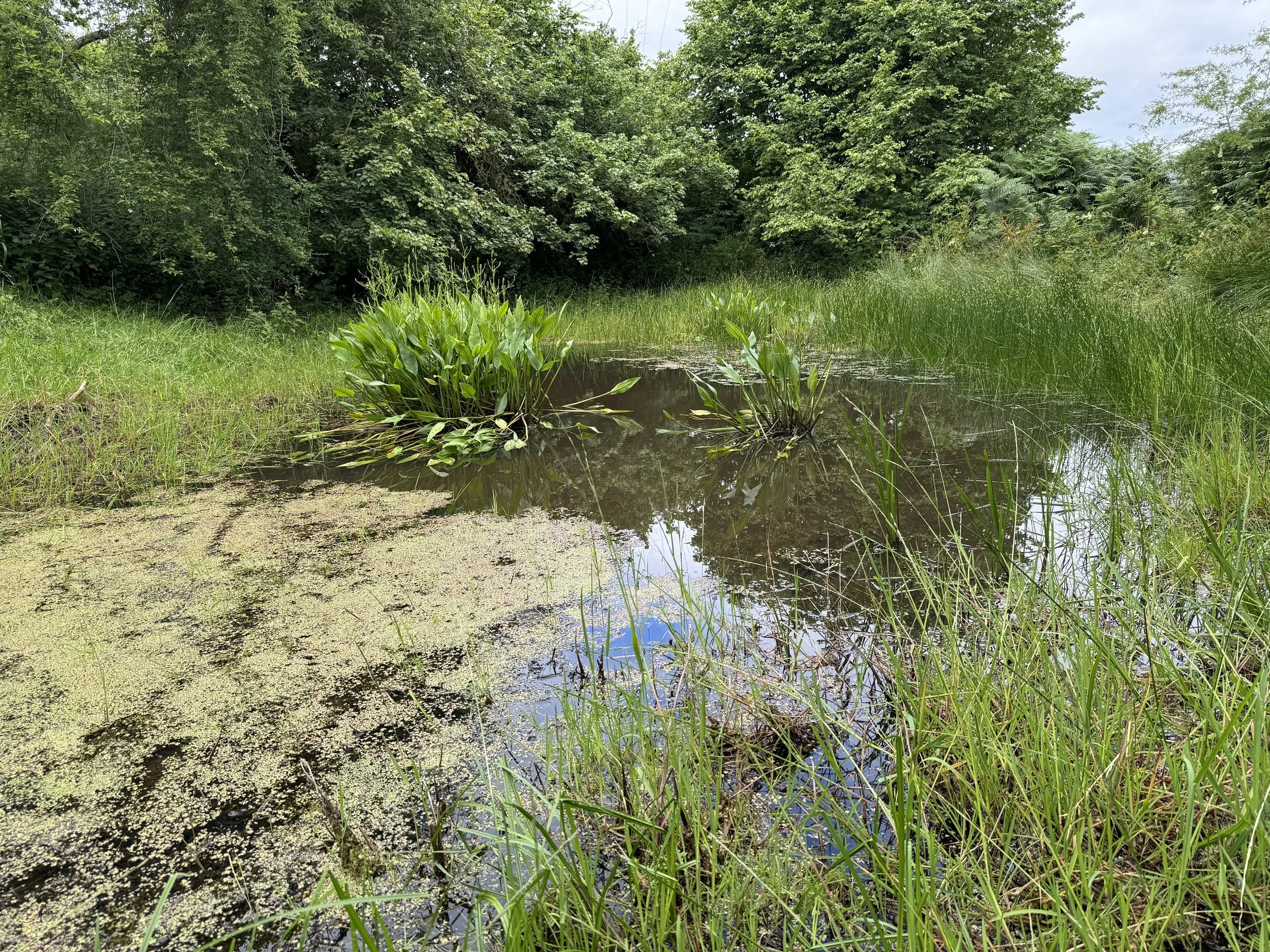
Wilding in the UK aims for restoration of natural processes, so rivers are re-connected to their floodplains to recreate functional wetlands, with wildlife like beavers creating pools, which slow the flow of rivers and prevent flooding of towns and homes. It can also involve the restoration of natural vegetation and the water storage capacity of the uplands, with temperate rainforests returning to the Atlantic coast and the recovery of peatlands. As well as reintroduction of species once hunted to extinction; beavers, pelicans, storks, eagles and Pine martens. Ideally wilded land and traditionally managed nature reserves work together, forming corridors through the landscape, connecting sites and enabling species to move and thus adapt to climate change.
Benefits of Wilding
Wilding aims to restore natural systems, the benefits include multiple environmental and public goods:
Increases in biodiversity, important during a period of shocking national decline
Tackling climate change by sequestration of carbon in the vegetation and soil layers
Flood mitigation by storing water in soils and wetland habitats
Improvements in water quality - to counteract the increasing problems along the Wye
Access to nature, to improve our health and wellbeing, enabling people to enjoy the mental health benefits contact with nature provides.
Provide food and support livelihoods in a way that is regenerative to the landscape and the river.